
Pool Pump Humming But Not Starting? North County San Diego Repair Guide
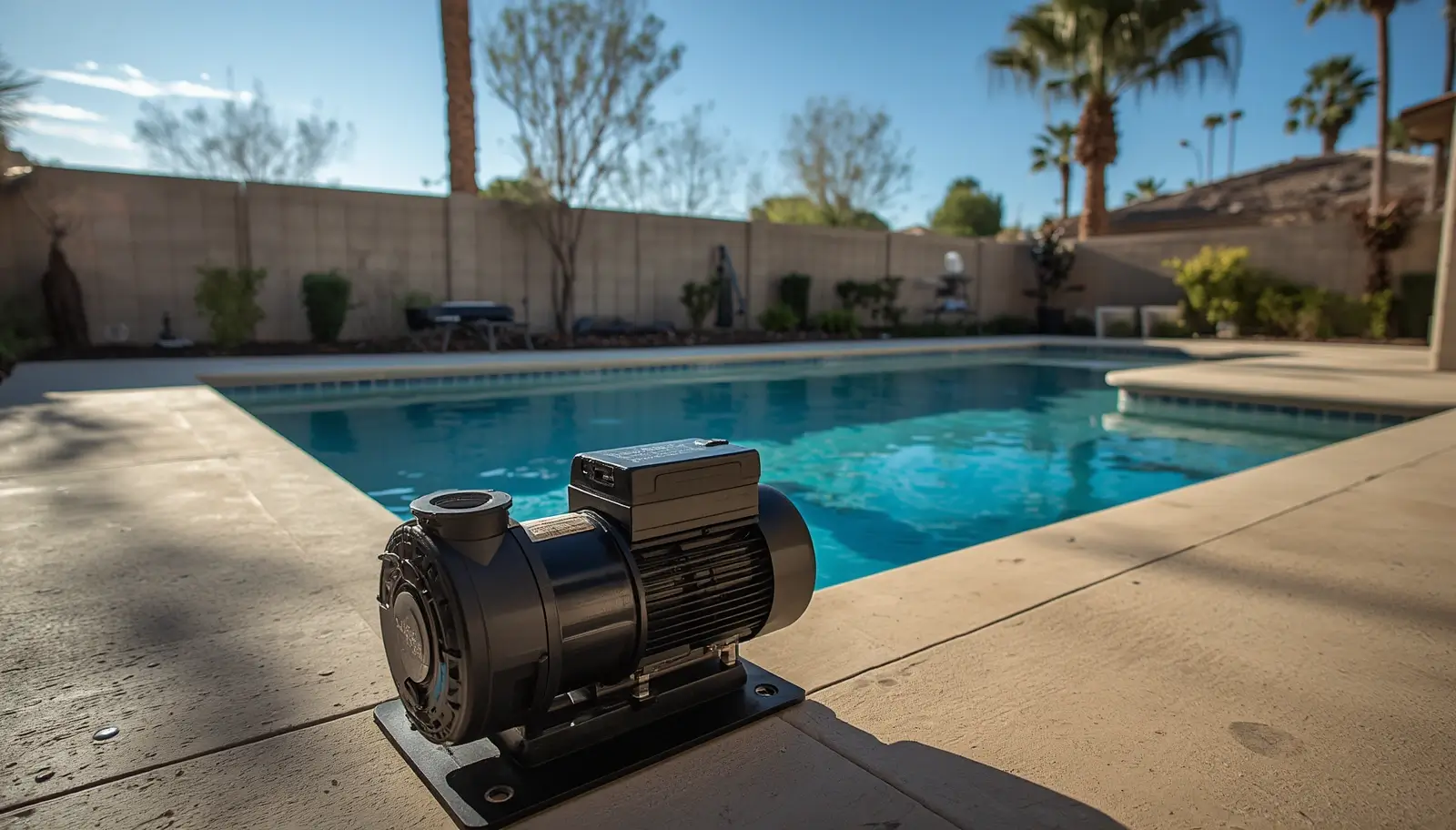
A pool pump that hums but won’t start is almost always a sign that the motor has power but can’t begin turning. In most cases, the cause is a bad start capacitor, a jammed impeller, or a seized motor. Shut the pump off right away. A humming motor can overheat within minutes and turn a simple repair into an expensive replacement.
For homeowners in Carlsbad and throughout North San Diego, acting quickly can mean the difference between a simple repair and replacing the entire pump.
Table of Contents:
- Quick Answer: Why Your Pool Pump Is Humming But Not Starting
- Turn the Pump Off First
- Common Reasons a Pool Pump Hums But Won’t Start
- What Homeowners Can Safely Check Before Calling
- Repair or Replace: What Makes More Sense?
- How to Prevent Pool Pump Humming Problems
- When to Call a Pool Professional?
- FAQs
Quick Answer: Why Your Pool Pump Is Humming But Not Starting
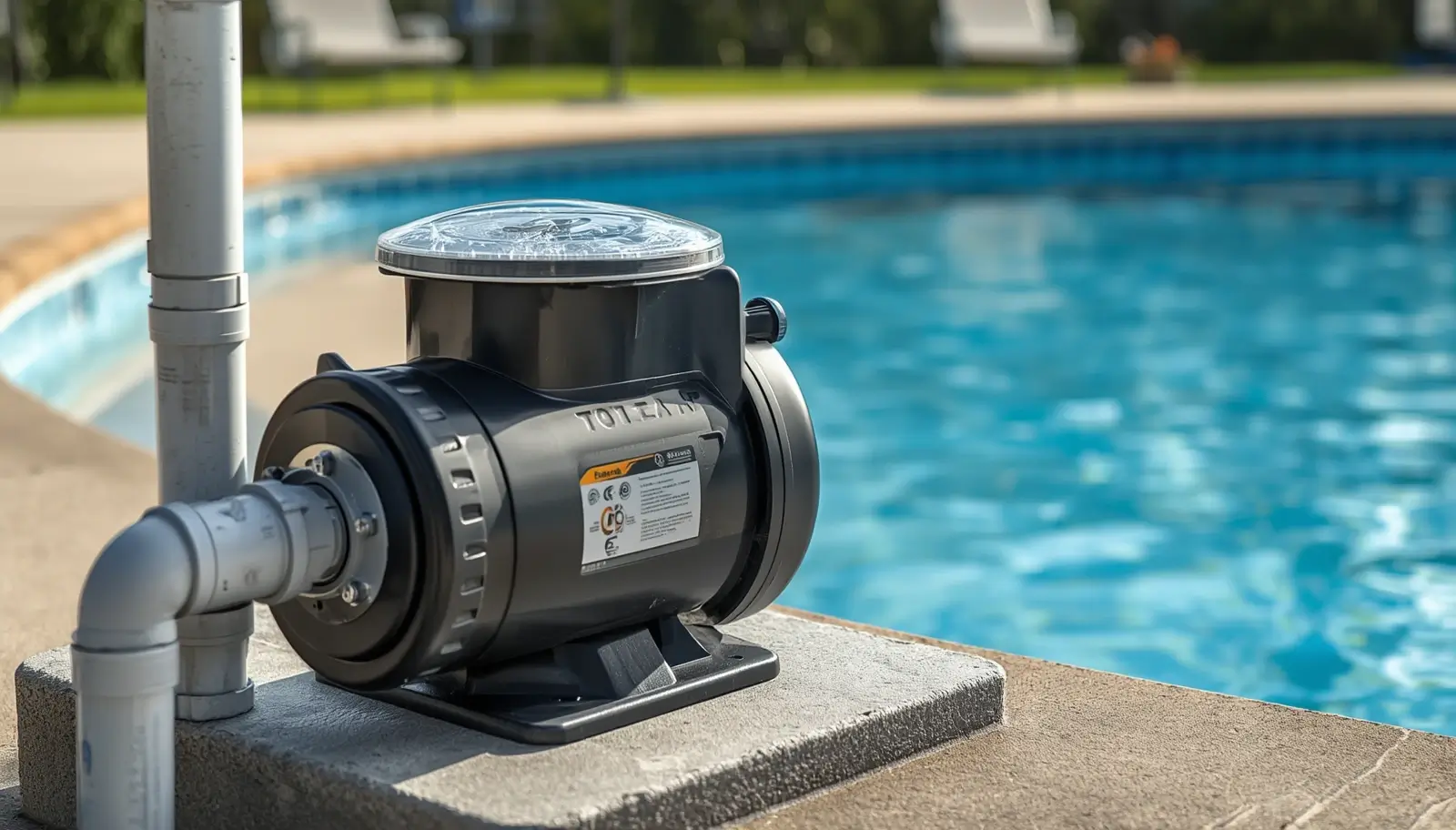
If your pool pump is humming but the motor won’t start, it means the pump has power, but something is stopping the motor from spinning. The most common causes are a bad start capacitor, a jammed impeller, or a seized motor.
Turn the pump off as soon as you hear the humming, and avoid repeatedly trying to restart it.
Turn the Pump Off First
If your pool pump is humming but not starting, turn it off right away. A motor that hums without spinning can overheat within minutes, turning a simple repair into an expensive replacement.
Shut the power off at the breaker, not just the pool timer. Pool pumps run on 120-volt or 240-volt electricity, and both can be dangerous. Make sure the pump is completely off before touching it.
Don’t remove the motor cover or handle the capacitor, as it can still hold an electrical charge even after the power is off. Once the pump is safely shut down, check for obvious problems like debris, or call a pool service technician if you’re unsure what caused the issue.
Common Reasons a Pool Pump Hums But Won’t Start
A humming pool pump tells you the motor is getting power, but can’t get moving. Here are the most common reasons we find on service calls across North County San Diego, and what each problem means.
Bad Start Capacitor
A bad start capacitor is one of the most common reasons a pool pump hums but won’t start. The capacitor gives the motor the extra boost it needs to begin spinning, so when it fails, the motor just sits there and hums.
You may also notice the pump worked fine one day and refused to start the next, which is a typical pattern as capacitors gradually weaken until they can no longer deliver enough starting torque. Replacing the capacitor is a straightforward repair, but it should be done only when the power is off, as capacitors can still hold an electrical charge.
Jammed Impeller
The impeller moves water through your pool system, but leaves, small rocks, twigs, or other debris can block it from turning. When that happens, the motor’s rotation is physically blocked by the obstruction, which creates the humming sound.
Check the pump basket first, then inspect the impeller if you can safely reach it with the power disconnected. Clearing the blockage can get the pump running again without requiring any parts replacement.
Seized Bearings or Motor Shaft
Over time, motor bearings can wear out or rust, making it hard or impossible for the shaft to turn. Pool pump motors are especially prone to this because they’re constantly exposed to moisture and humidity, which accelerates corrosion compared to typical electric motors. When the motor can’t rotate, it only produces a humming noise before shutting itself down.
A seized motor requires more than a simple cleaning, as damaged bearings or other parts must be repaired or replaced. If the shaft won’t turn by hand with the power off, it’s time to have the motor inspected.
Low Voltage, Timer, or Relay Problem
Your pump needs a steady power supply to start correctly. If the voltage is too low or a relay isn’t sending full power, the motor may hum without starting.
Look for signs like a tripped breaker, loose wiring, or a timer assembly that isn’t switching power properly. Electrical testing should be left to a qualified technician because it involves live circuits.
Overheated Motor
Most pool pump motors have built-in thermal protection that shuts them down when they get too hot. This is usually a symptom rather than the root cause. Heat builds up due to poor airflow (one of the issues above) or repeated attempts to restart a humming pump.
Let the motor cool completely before trying it again. If it overheats every time it runs, the underlying problem needs to be fixed instead of simply resetting the motor.
Pool Pump Won't Start? We 'll Find the Problem Fast
Our technicians diagnose humming pool pumps and recommend the most cost-effective repair.
What Homeowners Can Safely Check Before Calling
Before scheduling a service visit, there are a few safe checks you can do yourself. These steps can help you spot a simple problem without opening the motor or working around live electrical parts.
- Turn off the breaker first: Make sure power to the pump is completely off before touching any part of the equipment.
- Notice whether the motor is hot: If it feels warm or hot to the touch, let it cool completely before checking anything else.
- Check the pump basket, skimmer basket, and pump inlet: Remove leaves, twigs, small rocks, or other debris that could be restricting water flow or blocking the impeller.
- Check the pool water level: If the water is too low, the pump may pull in air instead of water. This usually causes a screeching or cavitating sound rather than a steady hum, but it’s still worth ruling out as a separate issue.
- See if the breaker has tripped: Reset it once if needed, but don’t keep resetting a breaker that keeps tripping, since that points to an electrical or motor problem.
- Listen to the sound carefully: A steady hum is different from grinding, screeching, or loud buzzing, and identifying which sound you’re hearing can help narrow down the cause.
Avoid removing the motor cover or handling the capacitor, even with the power turned off. If these basic checks don’t solve the problem, it’s safest to have a pool service professional diagnose the pump.
Repair or Replace: What Makes More Sense?
Not every humming pool pump needs to be replaced. In many cases, a simple repair gets it back up and running, but some problems make replacement the smarter long-term investment.
The age of your pump also matters. If it’s more than 8 to 10 years old and needs a major repair, replacing it provides better value than continuing to invest in aging equipment.
Not Sure Weather to Repair or Replace Your Pool Pump?
We'll inspect your equipment and help you choose the best solution for your poor and budget.
Schedule Your Pool Pump Inspection
How to Prevent Pool Pump Humming Problems

A little routine maintenance goes a long way toward keeping your pool pump running smoothly. These simple habits can help prevent the problems that cause a pump to hum without starting.
- Clean the pump and skimmer baskets every week: Removing leaves and debris helps maintain good water flow and reduces strain on the pump.
- Keep the filter clean: A dirty filter makes the pump work harder, which can lead to overheating and premature wear.
- Maintain balanced water chemistry: Properly balanced water helps protect seals, metal parts, and other components from corrosion and scale buildup.
- Keep the equipment area clean: Clear away leaves, dirt, and plants so the motor has good airflow and stays cooler during operation.
- Check for leaks: Water leaking around the pump or plumbing can damage the motor over time and lead to costly repairs.
- Schedule regular pool maintenance: A professional inspection can catch worn capacitors, failing bearings, loose electrical connections, and other small issues before they turn into a pump that won’t start.
Staying on top of these simple tasks can extend the life of your pool pump and reduce the chances of an unexpected breakdown during the swimming season.
When to Call a Pool Professional?
Some pool pump problems are easy to spot, but not all are safe to fix yourself. If you notice any of the issues below, it’s time to have the pump inspected before more damage occurs.
Call a pool professional if:
- The pump keeps humming every time you try to start it
- You notice a burning smell coming from the motor
- The motor becomes very hot after only a few minutes
- The breaker trips again after you’ve reset it once
- The motor shaft won’t turn with the power safely disconnected
- You see rust, corrosion, or water damage around the motor
- The start capacitor looks swollen, cracked, or is leaking
- The pump is running, but water isn’t moving through the system
- The pool water is starting to look cloudy or green because circulation has stopped
For homeowners in Carlsbad and across North San Diego, Beachside Pool Service can diagnose the problem and recommend the most cost-effective fix, whether that’s a repair or a replacement. Get a free quote today.
FAQs
Can a bad capacitor cause a pool pump to hum but not start?
Yes, and it’s the most common cause by far. One quick way to check: if you can spin the impeller freely by hand with the power off, the capacitor is the likely culprit rather than a jam or seized motor.
How long can a pool pump hum before it burns out?
Just a few minutes in most cases, which is why the very first step on this page (turning it off) matters more than diagnosing the exact cause.
Why is my pool pump humming but not pumping water?
If the motor isn’t spinning, the pump can’t move water through the system. A bad capacitor, a jammed impeller, a seized motor, or an electrical problem are the most common causes.
Should I replace the capacitor or the whole pool pump?
If the capacitor is the only failed part and the pump is in good condition, replacing the capacitor is the best option. If the motor is badly damaged or the pump is old, replacing the entire unit is the better long-term investment.
Can rain or a power outage make a pool pump hum?
Yes. Power surges, voltage drops, or moisture from heavy rain can affect electrical components, preventing the motor from starting properly.
Is it safe to fix a humming pool pump myself?
Yes, you can safely check the basics: inspect the basket, the skimmer, and the breaker. Stop there. Anything involving the capacitor or the inside of the motor housing should be left to a technician. Capacitors can hold a dangerous charge even after the power is off.
Get Your Pool Pump Running Again
Weather you need a quick repair or a new pool pump, our experienced technicians are here to help.