
Why Your Pool Pump Is Not Priming and When to Call a Pro
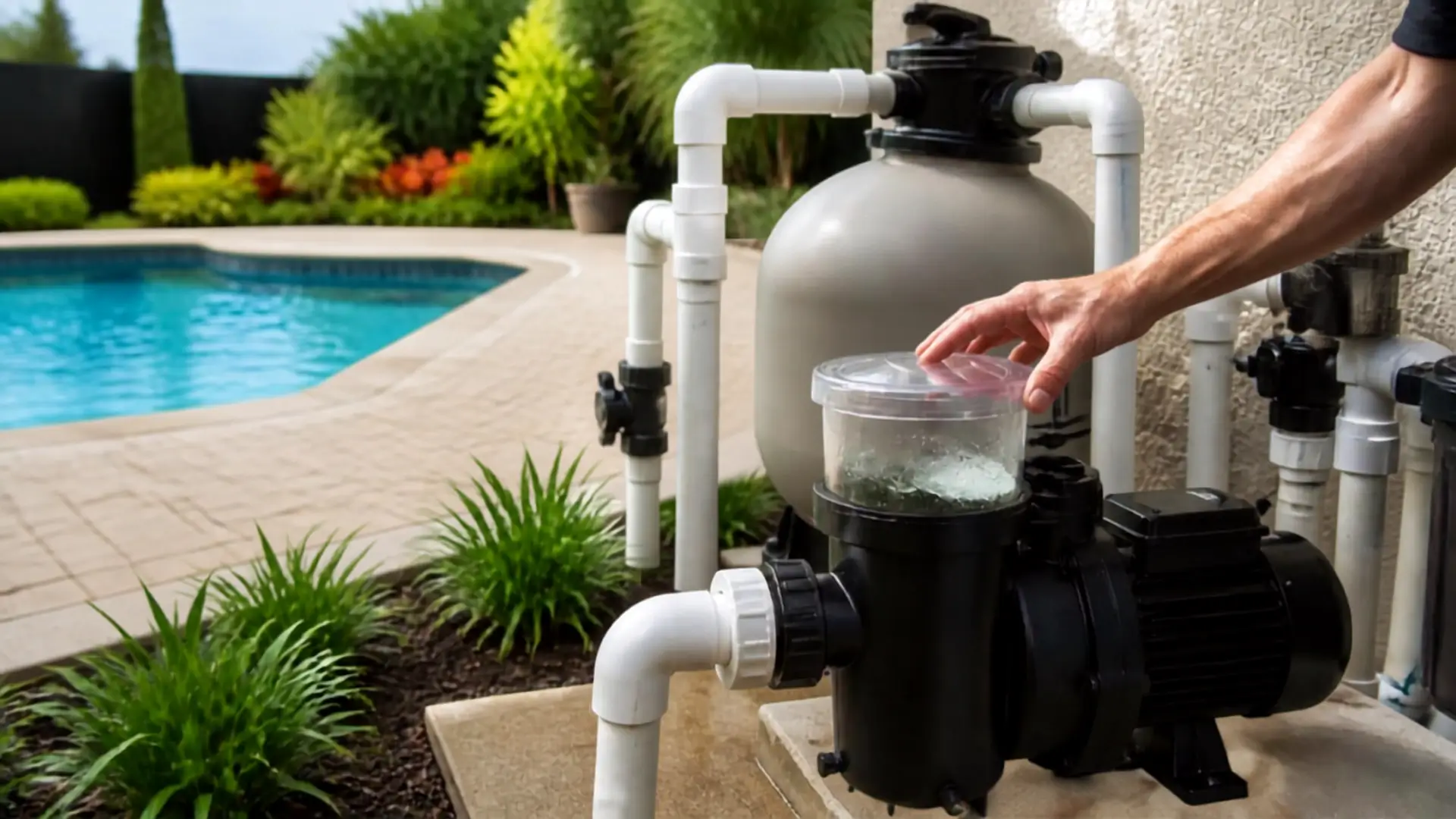
A pool pump that is not filling with water or holding suction is a common issue for many homeowners. When the pump cannot prime properly, it cannot move water through the filter and keep the pool circulation system working as it should.
The most common causes include a low pool water level, a loose or damaged pump lid O-ring, a suction-side air leak, a clogged basket, a clogged impeller, or a valve or filter setting issue. Before checking anything, turn the pump off and avoid letting it run dry, as this can damage the seals, motor, and other equipment.
Table of contents:
- What Does It Mean When a Pool Pump Won’t Prime?
- Turn the Pump Off Before Troubleshooting
- Common Reasons Your Pool Pump Is Not Priming
- How to Prime a Pool Pump Safely?
- Why Your Pump Primes, Then Loses Prime Again
- Pool Pump Not Priming After Backwash or Vacuuming
- When to Call a Pool Pro
- What a Pool Technician Will Check
- How to Prevent Pool Pump Priming Problems?
- FAQs
What Does It Mean When a Pool Pump Won’t Prime?
A pool pump needs water in the pump basket and suction line before it can move water. This is called priming, and it allows the pump to pull water from the pool and push it through the filter.
If air gets into the system, the pump cannot create enough suction. The pump basket may stay dry, be half-full, or fill with bubbles instead of water.
You may also notice weak water flow from the return jets or low filter pressure. In some cases, the pump may sound louder than normal because it's pulling air instead of water. That is different from a pump that hums but never starts turning, which points to the motor rather than to air in the line.
Do not let the pump keep running if it won't prime. Running a pump dry can damage the seals and motor.
Turn the Pump Off Before Troubleshooting
If your pool pump is not priming, turn it off before checking anything. Running a dry pump can overheat the seals and cause premature motor wear.
Once the pump is off, you can safely open the pump lid, check the baskets, or inspect the valves. Taking a few minutes to do this first can help prevent more expensive repairs.
Common Reasons Your Pool Pump Is Not Priming
A pool pump that will not prime usually has a problem with water flow or air getting into the system. The good news is that many common causes are simple to check before calling a professional.
Low Pool Water Level
If the pool water level is too low, the skimmer can start pulling in air instead of water. Make sure the water is around the middle of the skimmer opening before running the pump again.
Loose, Dirty, or Cracked Pump Lid O-Ring
The pump lid needs a tight seal to keep air from entering the system. A dirty, damaged, or poorly seated O-ring can cause the pump to lose suction and stop priming.
Clogged Skimmer or Pump Basket
Leaves and debris can restrict water from reaching the pump. Check both baskets regularly and clear out anything blocking proper water flow.
Suction-Side Air Leak
Air leaks on the suction side are one of the most common reasons a pump won't prime. Loose fittings, worn seals, or cracked connections can allow air into the plumbing before water reaches the pump.
Clogged Impeller
A heavily clogged impeller can restrict water movement enough to keep the pump from building suction. It is less common than an air leak or a bad O-ring, but it is worth checking if the pump still will not prime after those are ruled out.
Valve or Filter Setting Problem
Incorrect valve positions or a dirty filter can affect how water moves through the system. Check that valves are open correctly and the filter is clean before assuming the pump has a major issue.
How to Prime a Pool Pump Safely?
If your pool pump loses prime, you can try a few basic steps before calling a professional. Always make sure the pump is off before opening the lid or checking any equipment.
- Turn the pump off.
- Check that the pool water level is high enough.
- Empty the skimmer and pump baskets.
- Remove the pump lid and fill the pump basket housing completely with water.
- Reseat the O-ring and secure the pump lid tightly.
- Open the filter air relief valve if your system has one, and close it once water sprays out steadily.
- Turn the pump on and check for a steady water flow.
- Turn the pump off if it does not prime within 60-90 seconds to avoid damage.
Why Your Pump Primes, Then Loses Prime Again
A pool pump that primes and then loses prime usually has a problem that allows air or water to move in the wrong direction. This often points to a slow suction-side air leak, a worn pump lid seal, or a check valve that no longer holds water in the line.
One common sign is when a pool pump loses prime overnight. If the pump basket is full of air or mostly empty when you turn it on the next day, water may be draining back toward the pool while the pump is off.
Check the pump lid O-ring, fittings, and valves for small leaks that could be letting air into the system. If the problem keeps recurring after basic checks, a pool professional can help identify the source before it causes damage.
Pump Keeps Loosing Prime?
We'll find the leak or seal issue before it damage your equipment.
Pool Pump Not Priming After Backwash or Vacuuming
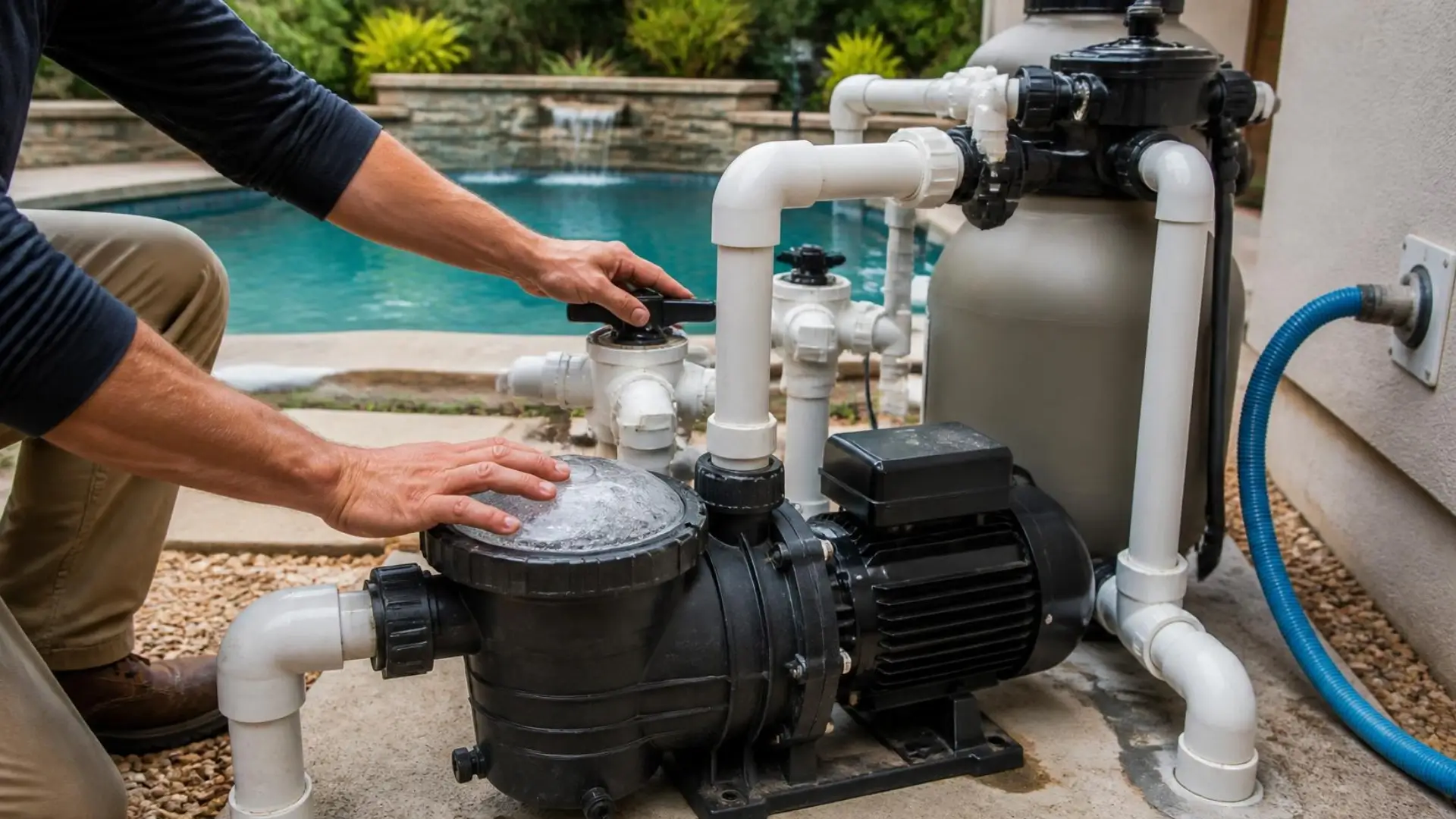
It is common for a pool pump to have trouble priming after maintenance tasks like backwashing or vacuuming. Opening the pump lid, changing valve positions, or disconnecting equipment can allow air into the system.
After backwashing, check that all valves are back in the correct position, the water level is high enough, the baskets are clean, and the pump lid O-ring is seated properly.
After vacuuming, also check the hose connection at the skimmer or suction port. A loose or poorly seated fitting can pull air into the system even if everything else is set correctly.
If the pump still will not prime after these checks, a professional can help find air leaks or equipment problems that may be preventing proper water flow.
When to Call a Pool Pro
Some pool pump issues can be fixed with basic checks, but others need professional attention. Call a pool professional if you notice any of these problems:
- Pump will not prime after 2-3 safe attempts: The issue may be caused by an air leak, blockage, or equipment problem that needs a closer inspection.
- Pump basket keeps filling with air: This usually indicates air entering the system's suction side.
- Pump loses prime overnight: Water may be draining back into the pool due to a leak, valve issue, or poor seal.
- Air bubbles in the return jets: This can indicate trapped air in the plumbing system or a suction-side leak.
- Pump runs dry or gets hot: A pump without enough water can damage seals, the motor, and other components.
- Leaks around the equipment pad: Visible water leaks may indicate damaged fittings, seals, or plumbing connections.
- Breaker keeps tripping: This can signal an electrical issue that a professional should handle.
- Suspected underground plumbing or electrical issues: Hidden problems require specialized tools and experience to diagnose safely.
If your pool pump keeps losing prime, Beachside Pool Service can help identify the cause and restore proper water flow. Our technicians are CPO certified, and we have served North County San Diego pool owners for more than ten years. Addressing the issue early can help prevent equipment damage and more costly repairs.
Seeing These Warning Signs?
Catching the problem early can save you from costly repairs.
What a Pool Technician Will Check
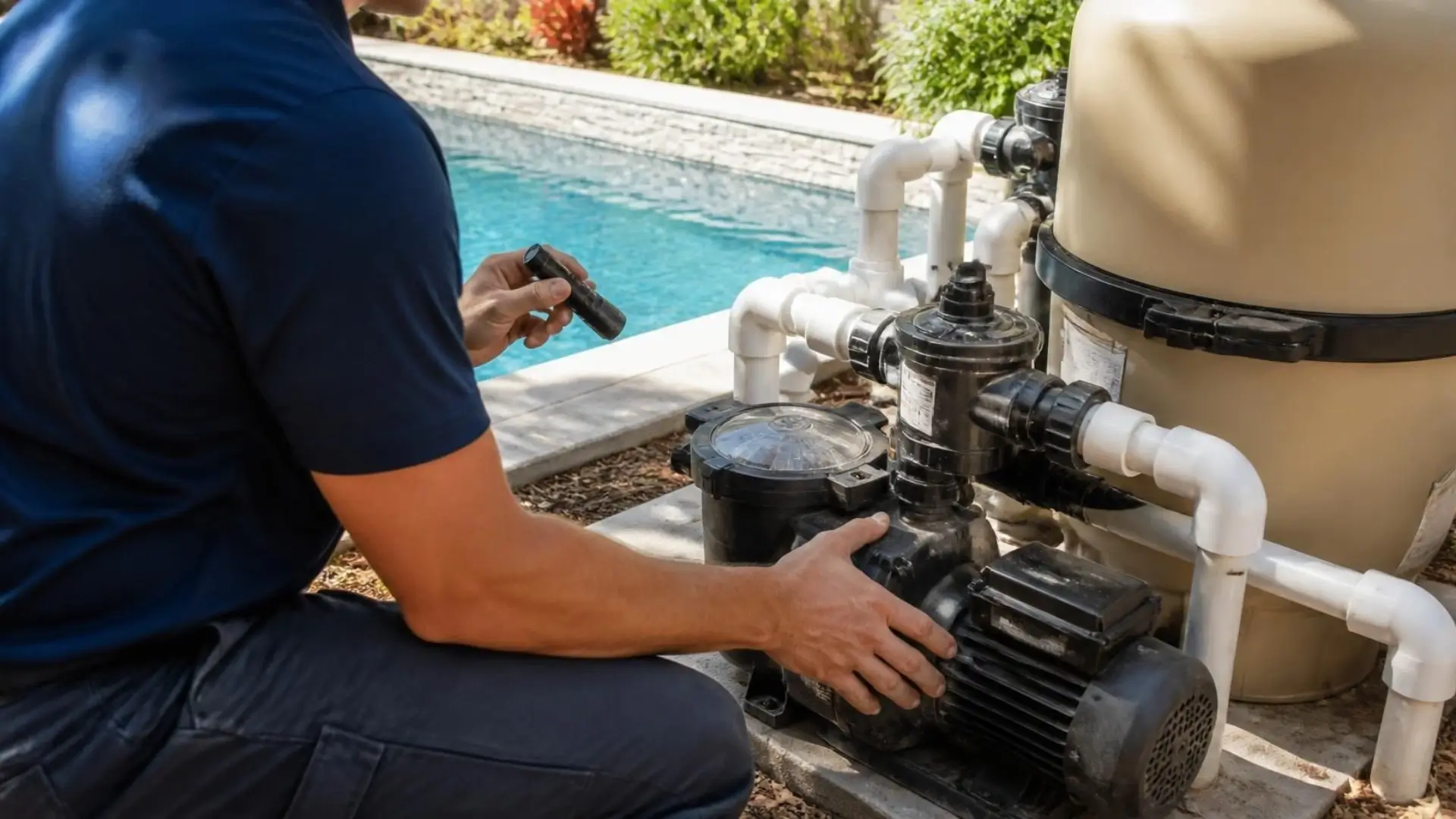
A pool technician will check the system to find out why the pump is not staying primed. They will look for problems that may not be obvious during a basic homeowner inspection.
They may inspect for suction-side leaks, check the pump lid and O-ring, verify valve settings, and look at the impeller for blockages. They will also check the filter pressure, inspect the pump seal, and review the equipment's age and condition.
For North County San Diego homeowners, finding circulation problems early can help prevent bigger repair costs. A proper inspection can help protect your pool equipment and keep the system running smoothly.
How to Prevent Pool Pump Priming Problems?
Regular maintenance can help prevent air leaks, poor water flow, and pump damage. A few simple habits can keep your pool system running smoothly:
- Clean baskets weekly: Remove leaves and debris from the skimmer and pump baskets to maintain proper water flow.
- Keep water at the right level: Maintain the water level around the middle of the skimmer opening to prevent the pump from pulling air.
- Clean filters on schedule: A dirty filter can restrict circulation and make it harder for the pump to operate properly. It often shows up as cloudy water before it shows up at the pump.
- Check the pump lid O-ring: Inspect it regularly and replace it if it appears cracked, worn, or damaged.
- Watch for air bubbles: Bubbles in the pump basket or return jets can be an early sign of an air leak.
- Get an annual equipment checkup: A yearly inspection can catch worn seals, valve issues, or fitting leaks before they cause bigger circulation problems.
FAQs
Why is my pool pump not pulling water?
A pool pump may not pull water because of low water levels, clogged baskets, closed valves, air leaks, or a blocked impeller. Check the simple causes first, such as water level and debris buildup. If the pump still cannot move water, a professional inspection may be needed.
Why is my pool pump basket not filling with water?
There is a useful difference here. A basket that stays completely dry usually means water is not reaching the pump at all, so check the water level and any closed valve first. A basket that fills partway and holds air points to a suction-side leak instead.
How long should it take a pool pump to prime?
Most pool pumps should prime within 30 to 90 seconds after being filled with water. If the pump is still not moving water after about 60 to 90 seconds, turn it off to prevent damage and check for possible air leaks or blockages.
Can I run my pool pump if it is not primed?
No, you should not run a pool pump without water. A dry pump can overheat and damage the seal, motor, and other equipment. If the pump will not prime, turn it off and troubleshoot the issue before trying to restart it.
Why does my pool pump lose prime overnight?
A pool pump that loses prime overnight often has a slow air leak, a worn pump lid O-ring, or a valve issue allowing water to drain back. When the pump starts the next day, the basket may contain air rather than be completely filled with water.
Why is my pool pump not priming after backwash?
The most common cause is a multiport valve left on Backwash or Rinse instead of returned to Filter. Check that first, then the water level and lid seal. If the pump primes fine every other time and only fails after a backwash, the valve position is almost always why.
Is a pool pump not priming a pump problem or a plumbing problem?
A pool pump not priming can be caused by either the pump itself or the plumbing system. Air leaks, clogged lines, and valve issues are common plumbing problems, while damaged seals, impellers, or motors may indicate a pump problem.
Get Your Pool Circulation Checked
Beachside Pool Services helps North Sen Diego homeowners fix priming problems for good.